
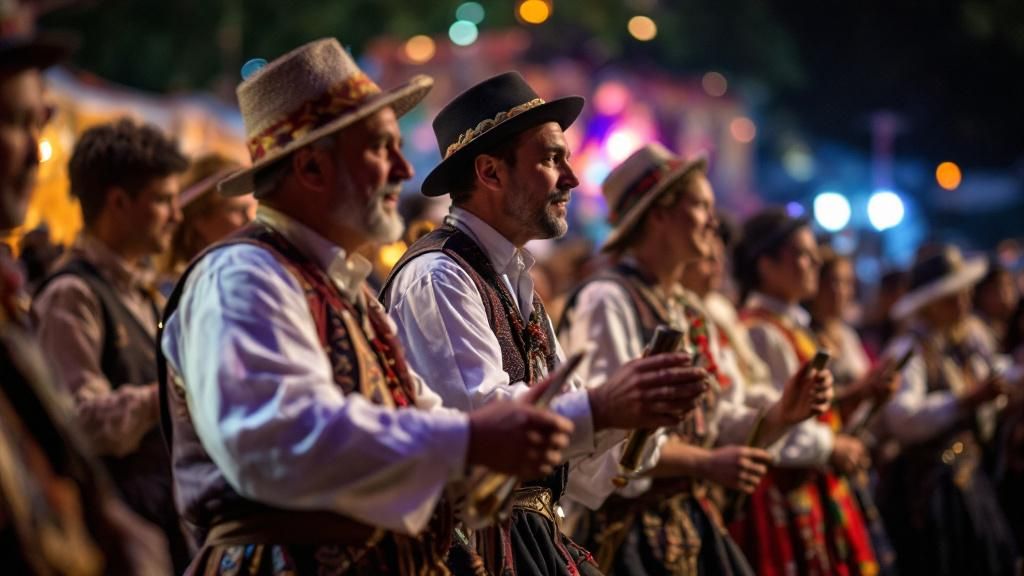
Across the British Isles, lively folk festivals showcase the rich tapestry of distinctive practices that represent Scotland, Wales and England. From spirited ceilidhs in the Highlands to vibrant eisteddfods in Welsh valleys, these events maintain centuries-old customs whilst fostering community bonds in communal joy. This article investigates the most compelling festivals that honour local heritage, considering how heritage music, dance and narrative arts thrive in present-day Britain, and why these cherished gatherings remain vital to cultural identity and regional pride.
Scottish Highland Games and Traditional Celebrations
The History of Highland Games
The Scottish Highland Games constitute one of Britain’s most iconic cultural celebrations, drawing visitors from all over the world to observe displays of heritage sports and heritage. These competitions, taking place during summer in Scottish communities, feature distinctive competitions including tossing the caber, putting the stone and hammer throwing. Originating from historic clan assemblies, Highland Games represent the character of Scottish resilience and collective pride. The largest events, such as the Braemar Gathering, pull in thousands of spectators who celebrate not simply sporting achievement, but the maintenance of Highland identity and ancestral customs that have persisted through the ages.
Music and dance create the cultural core of Highland Games celebrations, with pipe bands vying keenly whilst traditional dancers perform intricate Highland reels and jigs. These presentations showcase Scotland’s musical heritage, incorporating bagpipes, fiddles and drums that reverberate around glens and valleys. Competitors, often wearing traditional tartan dress, exhibit impressive ability and dedication to upholding these long-established customs. The atmosphere blends competitive drive with genuine camaraderie, as participants and spectators alike celebrate their mutual traditions and the lasting significance of Highland traditions in modern Scotland.
Traditional Music and Ceilidh Culture
Ceilidhs, known as “kay-lees,” represent traditional Scottish community events where dancing, music and storytelling blend together. These casual gatherings showcase classic Scottish folk musicians performing on fiddles, pipes and accordions whilst people participate in energetic country dances and reels. Ceilidhs serve as essential gathering places where new generations learn traditional dances and musical forms from experienced practitioners, securing cultural traditions transfer smoothly across different age groups. Whether hosted in local halls or festival grounds, ceilidhs capture the welcoming character of Scottish culture, inviting both skilled dancers and newcomers into inclusive, joyful celebrations.
The resurgence of ceilidh culture throughout Scotland illustrates how time-honoured festivities evolve and thrive within modern contexts. Modern ceilidhs often blend authentic heritage with modern social customs, attracting varied crowds including visitors, young professionals and families seeking authentic cultural participation. Established ceilidh ensembles perform widely, performing at festivals, weddings and community events, whilst informal sessions in pubs and community centres sustain customs at local level. This thriving cultural landscape maintains Scottish musical heritage continues to evolve, creating venues where tradition and modernity blend seamlessly within communities throughout the nation.
Seasonal Festivals and Regional Variations
Scotland’s festival calendar includes a wide range of regional celebrations that reflect local heritage and seasonal significance during every season. Events like the Edinburgh Festival Fringe present modern Scottish arts alongside traditional performances, whilst local celebrations recognise regional heritage and customs specific to distinct areas. Winter festivals, including New Year festivities across Scottish cities, feature traditional music, outdoor acts and collective celebrations that mark the year’s transition. These periodic celebrations create regular cultural cycles that link people with their territory, heritage and collective customs, reinforcing regional identity through consistent observance and shared engagement.
Regional differences in festival traditions showcase Scotland’s diverse geographical and cultural landscape, with island communities, lowland towns and highland regions each preserving distinctive festive practices. The Shetland Folk Festival honours Nordic influences capturing the islands’ Viking heritage, whilst West Highland festivals emphasise Gaelic language and culture. These variations demonstrate how Scottish traditions remain living, evolving practices rather than static historical artefacts. Communities actively shape their festivals to embody contemporary values whilst respecting ancestral customs, creating celebrations that feel authentically rooted in local experience. This dynamic approach ensures Scottish folk traditions sustain relevance and vitality across generations.
Welsh National Eisteddfod: Song, Verse and Cultural Identity
A Long-Standing Practice
The Welsh Eisteddfod serves as one of Britain’s most renowned cultural celebrations, with roots reaching back over a thousand years. This noteworthy celebration showcases the very core of Welsh identity through contests in music, drama and poetry. Participants from across Wales and beyond come together to demonstrate their artistic talents, striving for prestigious awards and acclaim. The event embodies the Welsh commitment to safeguarding the cultural traditions and Welsh language, making it far more than a simple entertainment venue—it constitutes a living connection to ancestral customs and national pride.
Held every year in different locations throughout Wales, the National Eisteddfod attracts thousands of participants and audiences who celebrate Welsh artistic excellence. The festival showcases performances in both Welsh and English, though the Welsh language remains central of its character and mission. Choirs, soloists, instrumentalists and poets showcase extraordinary talent across various divisions and age brackets. The drive to compete encourages excellence whilst fostering community engagement, making the Eisteddfod a cornerstone of Welsh cultural life and a beacon of artistic achievement throughout the nation.
Musical and Poetic Excellence
Music constitutes the lifeblood of the Welsh Eisteddfod, with vocal ensembles embodying a particularly cherished tradition. Welsh men’s choral groups have gained worldwide recognition, their rich vocal textures echoing through valleys and performance venues worldwide. The festival provides a platform for these groups to exhibit their artistry and devotion, competing fiercely for acclaim. Beyond choral music, the Eisteddfod honours individual singers, instrumentalists and contemporary musicians, guaranteeing that different musical forms receive fair recognition and promotion within this prestigious cultural framework.
Poetry contests at the Eisteddfod preserve the ancient Welsh bardic tradition, honouring linguistic artistry and creative expression. Competitors compose verses in Welsh, exploring themes ranging from personal emotion to national significance. The Crown and Chairing ceremonies recognise the year’s most accomplished poets, bestowing honour and prestige upon winners. These poetic competitions safeguard the Welsh language’s beauty and complexity, inspiring new generations to participate in traditional literary forms whilst investigating contemporary themes, ensuring this important cultural tradition continues to thrive and evolve.
Community Impact and Cultural Significance
The Eisteddfod’s impact goes well past the event venue, deeply influencing Welsh cultural identity and communities. Local eisteddfods throughout Wales nurture emerging talent and encourage participation from all age groups and ability levels. Local schools and communities organise their own competitions, creating pathways for individuals to develop artistic skills and develop confidence. This community-based method makes certain that the Eisteddfod’s values permeate Welsh society, building a climate where cultural engagement and artistic creativity are honoured and appreciated right across the country.
Beyond its creative achievements, the National Eisteddfod operates as a powerful symbol of Welsh identity and resilience. The festival produces financial gains for local areas whilst reinforcing community connections and cultural pride amongst participants and audiences alike. By preserving the Welsh language and celebrating indigenous artistic traditions, the Eisteddfod guarantees that Welsh cultural legacy remains vibrant and relevant for coming generations. Its lasting achievement demonstrates how heritage festivals can evolve and thrive in modern times, remaining essential to regional identity and national awareness.
Traditional English Celebrations and Cultural Traditions
England’s folk festival landscape demonstrates a vibrant collection of regional customs and musical heritage that spans centuries. From the Cotswold hills to the rugged Cornish coast, historic festivities showcase unique regional identity. Events such as the Sidmouth Folk Week and Cambridge’s Folk Festival draw in thousands of devotees annually, presenting genuine morris dance, sea shanties and folk songs. These gatherings function as important guardians of England’s cultural heritage, maintaining performance styles and instrumental techniques that would otherwise fade from shared cultural memory.
The English folk cultural tradition encompasses multiple regional distinctions, each displaying unique characteristics and historical significance. Northumbrian piping traditions for example, stands distinctly from Western regional customs, whilst East Anglian traditions maintain their own characteristic identity. Contemporary festivals recognise these variations whilst strengthening local bonds and intergenerational knowledge transfer. Through workshops and informal performances, attendees connect directly with master musicians and experienced practitioners, ensuring that heritage techniques keep thriving amongst younger audiences and preserving the dynamic cultural environment that defines modern English folk heritage.
Major English Folk Celebrations
Historic festivals throughout England provide important spaces for heritage musicians and enthusiastic audiences alike. The Cropredy Convention near Banbury has gained legendary status amongst traditional music fans, showcasing not only recognised names but rising stars within the tradition. Similarly, the Shrewsbury Folk Festival presents regional musicians alongside international performers, creating vibrant musical dialogue. These gatherings deliver substantial financial gains for neighbouring areas whilst strengthening England’s position as a custodian of true traditional music, drawing visitors from across Europe and beyond.
Beyond long-standing festivals, countless village celebrations and market town events maintain grassroots folk traditions throughout England’s diverse regions. Whitby Folk Week, perched on the Yorkshire coast, focuses on maritime heritage and conventional maritime music, drawing connections between contemporary performers and historical seafaring communities. Meanwhile, the Broadstairs Folk Week champions the enduring appeal of traditional ballads and contemporary folk compositions. These smaller-scale celebrations often prove equally significant in maintaining regional traditions, supporting regional musicians and maintaining the cultural continuity that defines English heritage across generations and geographical boundaries.
